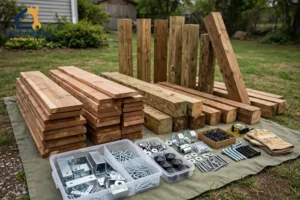
A deck is one of the most rewarding outdoor projects you can build. However, the material you choose will shape everything that follows: how it looks in five years, how much time you spend maintaining it, and how much it costs to repair.
For example, a beautiful wood deck that is never sealed will not stay beautiful for long. Moreover, a low-maintenance composite deck that is installed without proper airflow can still warp or stain. In short, there is no single best material for every home. The right choice depends on your climate, your budget, how you use the deck, and how much upkeep you are honestly willing to do.
This guide is practical and US-focused. It compares the main deck building materials, explains their real costs and trade-offs, and helps you choose with confidence, before you buy a single board.
You can find more practical guides like this in our Outdoor Construction & Systems section here on MyHomeMag.
Why the Material Matters More Than the Design
Design gets the attention, but material decides the outcome. A deck lives outside all year, through rain, sun, snow, and foot traffic. It also carries furniture, grills, planters, and people, so it must stay strong and safe, not just attractive on day one.
In addition, different materials age very differently. Wood weathers and grays, composite resists rot but can get hot in direct sun, and PVC shrugs off moisture but can feel less like natural wood. Think about three time frames: build cost, yearly maintenance, and lifespan. A cheaper board that needs replacing in ten years is rarely cheaper in the end.
Deck Building Materials at a Glance
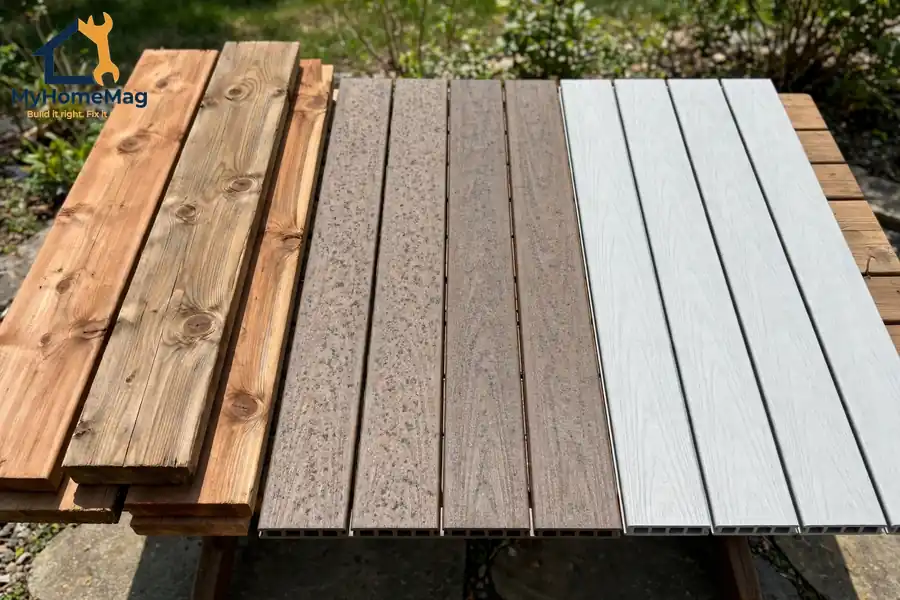
| Material | Typical look and feel | Durability | Maintenance | Approximate US cost (materials only) |
|---|---|---|---|---|
| Pressure-treated wood | Natural wood, can be stained many colors | 15–20 years with care | High: clean, seal/stain every 1–2 years | $3–$7 per sq ft |
| Cedar or redwood | Warm, rich natural wood | 20–25 years with care | High: clean and seal regularly | $7–$12 per sq ft |
| Composite | Wood-like, many colors, uniform boards | 25–30 years | Low: wash, no staining | $9–$16 per sq ft |
| PVC (vinyl) decking | Smooth, modern, many colors | 25–30 years | Very low: wash only | $10–$18 per sq ft |
| Tropical hardwood (ipe and similar) | Dense, dark, premium wood | 25–40 years | Medium: oil to keep color, or let it gray | $12–$22 per sq ft |
| Aluminum decking | Sleek, modern, very strong | 30+ years | Very low: wash only | $15–$25 per sq ft |
These ranges are planning ranges only, not quotes. Prices vary by region, board width, brand, and local supply. Labor, framing, railings, stairs, and permits are extra, and they can easily double the total project cost.
Pressure-Treated Wood: The Affordable Classic
Pressure-treated pine is the most common deck material in the United States, and for good reason. It is widely available, easy to cut and fasten, and the cheapest way to build a solid deck.
However, affordability comes with upkeep. Pressure-treated wood must be sealed or stained, or it will crack, splinter, and gray quickly. It can also warp if it dries unevenly, so proper spacing, ventilation, and fastening matter a great deal.
This material suits a homeowner who likes natural wood, wants to keep the upfront cost down, and is willing to spend a weekend each year on maintenance. It is also a good choice for a first deck, or for a deck that may be rebuilt or extended later.
Cedar and Redwood: Natural Beauty, With Work
Cedar and redwood are lighter, naturally resistant to rot and insects, and they look wonderful without stain. Many homeowners choose them for the warm color and the way they feel under bare feet.
Moreover, they are softer than pressure-treated pine, so they dent more easily, and they need regular sealing to keep their color. Without it, they weather to silvery gray. If you enjoy maintaining wood and want a premium natural look without tropical hardwood prices, cedar or redwood is a strong middle ground.
Composite Decking: Low Maintenance, Higher Upfront Cost
Composite boards are made from wood fibers and recycled plastic. They resist rot, splintering, and insect damage, and they come in a wide range of colors that stay consistent from board to board.
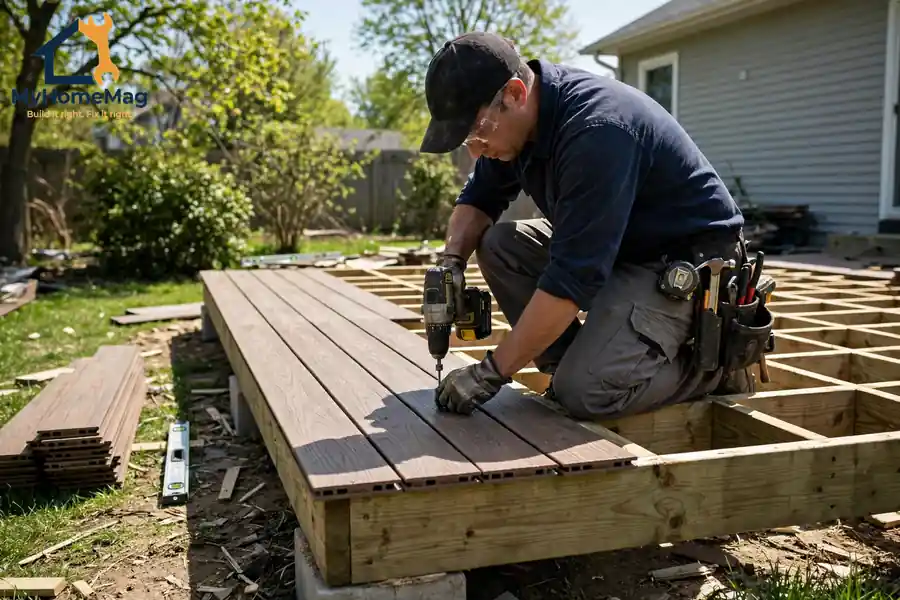
For example, a composite deck does not need staining, sanding, or sealing. A simple wash with soap and water is usually enough. That is a major advantage for busy homeowners, or for decks around pools where splinters are a real concern.
However, composite costs more upfront, and it can get hot underfoot in full sun. Cheaper composite boards can also stain from grease or mildew if they are not cleaned. In short, buy a quality board, follow the maker’s spacing and ventilation rules, and do not expect a composite deck to be completely maintenance-free — just much lower maintenance than wood.
PVC and Aluminum: The Modern, Very Low Maintenance Options
PVC decking is fully synthetic, so it does not absorb water, rot, or feed mold. It is light, easy to clean, and a good choice for damp, pool, and coastal areas, though it can look less like wood and be slippery when wet without a textured surface.
Aluminum decking is even more durable — it will not rot, rust, warp, or burn easily — but it is the most expensive common option, can be noisy in rain, and suits modern homes best.
Tropical Hardwood: Premium, Dense, and Long-Lasting
Ipe and other tropical hardwoods are exceptionally dense and durable. They resist rot, insects, and wear, and they can last decades, even in harsh weather.
Moreover, they are heavy, hard to cut, and need special fasteners and pre-drilling, plus oiling to keep their rich color. Check that any tropical hardwood you buy is responsibly sourced, with documentation from a reputable supplier.
How Climate Should Change Your Choice
Your local climate is not a detail — it is a deciding factor. In wet, humid regions, moisture resistance matters most, so composite, PVC, or well-sealed hardwood will usually outperform untreated or poorly sealed wood.
In hot, sunny regions, heat and fading matter. Light-colored composite or PVC, and wood with a good UV-protective finish, will stay cooler and keep their color longer. In cold regions with freeze and thaw cycles, drainage, ventilation, and a material that does not trap water are essential, because trapped water expands when it freezes and can crack boards and framing.
In coastal areas, salt air and moisture favor PVC, aluminum, and composite over untreated wood. Wherever you live, good drainage under the deck, airflow beneath the boards, and proper flashing where the deck meets the house matter as much as the board material itself.
How Long Does a Deck Last?
One of the most common questions is how long does a deck last. The honest answer is that it depends on the material, the framing, and the maintenance, not just the boards you can see.
A pressure-treated wood deck typically lasts 15 to 20 years with regular sealing. Cedar and redwood can reach 20 to 25 years with care. Composite and PVC decks often last 25 to 30 years. Tropical hardwood can last 25 to 40 years, and aluminum can last 30 years or more.
However, the framing underneath matters just as much. A deck built on untreated or poorly protected framing will fail early, even with premium boards on top. Use pressure-treated framing, protect joists with flashing tape where recommended, and keep the underside ventilated and dry.
Safety and Permits: Do Not Skip This Step
A deck is a structure, not just a patio. Before you build, check your local building codes and permit rules. Most cities and counties require a permit for a deck above a certain height, for a deck attached to the house, or for a deck with stairs and railings.
In addition, railings, stair widths, guard heights, and footing depths are all governed by code for a reason: they prevent falls and collapse. If you are unsure, talk to your local building department early. A short conversation can prevent a costly rebuild or a failed inspection.
Safety also means good construction habits. Use corrosion-resistant fasteners rated for outdoor use, follow the board maker’s span tables, and never attach a deck to a house without proper flashing and a ledger connection that meets code. If any part of that sentence is unfamiliar, that is a sign to bring in a professional for the structural work, even if you do the finishing yourself.
Maintenance Checklist by Material
Use this checklist to compare the real yearly work, not just the purchase price.
- Pressure-treated wood: clean yearly, inspect for rot and loose fasteners, seal or stain every 1–2 years.
- Cedar and redwood: clean yearly, inspect for cracks and soft spots, seal every 1–2 years.
- Composite: wash with soap and water, clear debris from gaps, inspect fasteners yearly.
- PVC: wash, check for scratches, clear debris from gaps.
- Tropical hardwood: clean, inspect fasteners, oil yearly if you want to keep the color.
- Aluminum: wash, inspect fasteners and railings, clear debris.
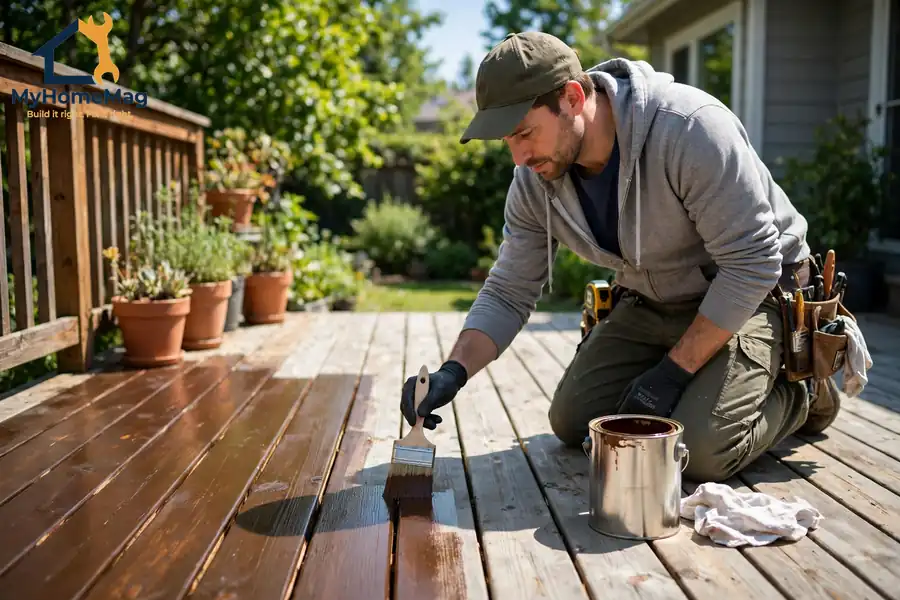
For all materials, keep planters and furniture from trapping water on the surface, sweep leaves off regularly, and check the ledger, posts, and railings every year. Small problems found early are usually cheap to fix.
Choosing the Right Material for Your Home
Start with three honest answers. First, what is your total budget, including framing, railings, stairs, and permits, not just boards? Second, how much maintenance will you actually do each year? Third, how long do you plan to stay in the home?
If the budget is tight and you enjoy woodwork, pressure-treated wood is hard to beat. If you want natural beauty and will maintain it, cedar or redwood is a good step up. If you want to spend weekends on the deck, not working on it, composite or PVC is usually better value over time, despite the higher upfront cost.
Moreover, consider your home’s style, and test samples in the sun, barefoot, next to your siding and trim before you commit.
When to Call a Pro
Call a licensed contractor or structural professional if the deck is high off the ground, attached to the house, built over a slope, or needs new footings, beams, or a ledger connection. Also call a pro if you see rot in the framing, a leaning post, a loose railing, or a deck that bounces or sags.
A professional can also help with permits, inspections, and hidden costs like drainage, grading, and electrical work for lighting. The table below gives approximate US planning ranges for a professionally built deck, including labor, but excluding unusual site work. These are not quotes.
| Project | Approximate US planning range |
|---|---|
| Small wood deck, professionally built | $5,000–$12,000 |
| Mid-size composite deck, professionally built | $12,000–$25,000 |
| Large or multi-level deck, professionally built | $25,000–$50,000+ |
| Railing replacement alone | $1,500–$5,000, depending on material and length |
| Deck resurfacing (new boards on sound framing) | $4,000–$12,000 |
If your framing is sound, resurfacing with new boards can be a smart middle path. If the framing is rotted or undersized, a full rebuild is safer, even if it costs more upfront.
If you are planning a bigger exterior project, our guides to roof replacement cost and foundation cracks cover what to check and what to ask a pro.
FAQs
1. What are the best deck building materials for a low-maintenance deck?
Composite and PVC are usually the best low-maintenance choices. They do not need staining or sealing, they resist rot and insects, and a regular wash is usually enough. Aluminum is even lower maintenance, but it costs more and suits modern homes best. Wood can be beautiful, but it will always need more upkeep.
2. How long does a deck last with each material?
A pressure-treated wood deck typically lasts 15 to 20 years with care, cedar or redwood 20 to 25 years, composite and PVC 25 to 30 years, tropical hardwood 25 to 40 years, and aluminum 30 years or more. Framing, drainage, ventilation, and maintenance affect lifespan just as much as the board material, so a well-built wood deck can outlast a poorly built composite deck.
3. Is composite decking worth the extra cost over wood?
For many homeowners, yes, if you value low maintenance and a long life. Composite costs more upfront, but it saves on staining, sealing, and board replacement over time. However, if your budget is tight, you enjoy woodwork, or you plan to move soon, pressure-treated wood can still be the smarter choice. Compare total cost over 20 years, not just the first invoice.
4. Do I need a permit to build a deck?
In most US cities and counties, yes, especially for a deck attached to the house, above a certain height, or with stairs and railings. Rules vary by location, so check with your local building department before you build. Permits also cover footing depth, railing height, and ledger connections, all of which keep the deck safe. When in doubt, ask early — it is far cheaper than rebuilding after an inspection fails.