If you are asking how much does roof replacement cost, you are already asking the right question. A new roof is one of the biggest home projects most owners ever pay for, and the price can swing by thousands of dollars depending on size, material, roof shape, and local labor.
However, that wide range does not mean you have to guess. Once you understand what drives the price, you can build a realistic budget, compare quotes fairly, and spot a quote that is too low to be trusted.
For example, two houses on the same street can get very different prices simply because one has a simple gable roof and the other has valleys, dormers, and a steep pitch. Moreover, the cheapest material is not always the cheapest long-term choice. In short, this guide breaks the cost down in plain language, so you can plan with confidence.
This guide is practical and US-focused, and part of MyHomeMag‘s Exterior Home Improvement guides. It covers typical cost ranges, what changes them, how to compare quotes, and when it makes sense to repair instead of replace.
The Short Answer: A Realistic Planning Range
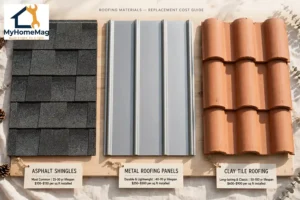
For a typical US single-family home, a full roof replacement often falls in a broad planning range. Asphalt shingle roofs, the most common choice, are usually the lowest cost. Metal, tile, and slate cost considerably more, but they can also last much longer.
The table below gives approximate US planning ranges only. These are not quotes. Actual prices vary by roof size, pitch, location, material quality, and contractor rates.
| Roof material | Approximate US planning range, full replacement |
|---|---|
| Asphalt shingles, 3-tab | $8,000–$15,000 |
| Asphalt shingles, architectural | $10,000–$22,000 |
| Metal, standing seam | $18,000–$38,000 |
| Metal, screw-down panels | $14,000–$28,000 |
| Concrete tile | $22,000–$45,000 |
| Clay tile | $28,000–$55,000 |
| Natural slate | $35,000–$75,000 or more |
For a smaller home, or a simple roof, the total may sit below these ranges. For a larger home, a steep roof, or a premium material, it may sit well above them. Use the ranges to set a starting budget, then refine it with local quotes.
What Actually Drives the Price?
Roofing quotes are not just for shingles. A full replacement usually includes tear-off, disposal, underlayment, flashing, ventilation, and labor. Each of those items can move the total.
Roof size
Roofers measure roofs in squares. One square covers 100 square feet. A 2,000-square-foot roof footprint often means 22 to 28 squares of roofing once pitch and overhang are included. Larger roofs need more material, more labor, and more disposal, so size is usually the biggest single factor.
Roof pitch and complexity
A steep roof is slower and riskier to work on, so labor costs rise. A complex roof with valleys, hips, dormers, skylights, and chimneys needs more flashing, more cutting, and more careful detailing. A simple rectangular gable roof is usually the cheapest shape to replace.
Material choice
Material affects both product cost and installation time. Asphalt shingles are fast to install and widely available. Metal panels need specialist fitting. Tile and slate are heavy, fragile, and slow to lay, and they may need extra structural support. That is why material choice alone can double or triple a quote.
Tear-off and disposal
Most replacements include removing one or two old layers. If there are multiple old layers, rotted decking, or difficult access, tear-off and disposal cost more. Rotted plywood or deck boards found underneath will usually be charged per sheet, so ask how your contractor prices decking replacement before work starts.
Flashing, underlayment, and ventilation
Good flashing around chimneys, walls, valleys, and skylights is essential to stop leaks. Underlayment, ice-and-water shield in cold or wet climates, drip edge, ridge vents, and soffit vents all add cost, but skipping them is a false saving. A roof that cannot breathe can trap moisture and shorten shingle life.
Location and labor
Labor rates, permit fees, and disposal costs vary a lot by state and city. Coastal, high-cost, and remote areas tend to be more expensive. Seasonal demand can also matter: after a major storm, local roofers may be booked out and prices may rise.
Cost Breakdown: Where the Money Goes
The table below shows a typical split for an asphalt shingle replacement. Percentages vary, but this helps you see why a quote is not just the price of shingles.
| Cost item | Typical share of the total |
|---|---|
| Roofing material, shingles and accessories | 35–45% |
| Labor, installation and flashing | 35–45% |
| Tear-off and disposal | 10–15% |
| Underlayment, vents, and drip edge | 5–10% |
| Permits, inspection, and cleanup | 2–5% |
If a quote is much lower than others, check what is missing. It may exclude tear-off, disposal, new flashing, or ventilation. A complete quote should list each item separately, so you can compare like with like.
How Much Does Roof Replacement Cost by Material?
Asphalt shingles
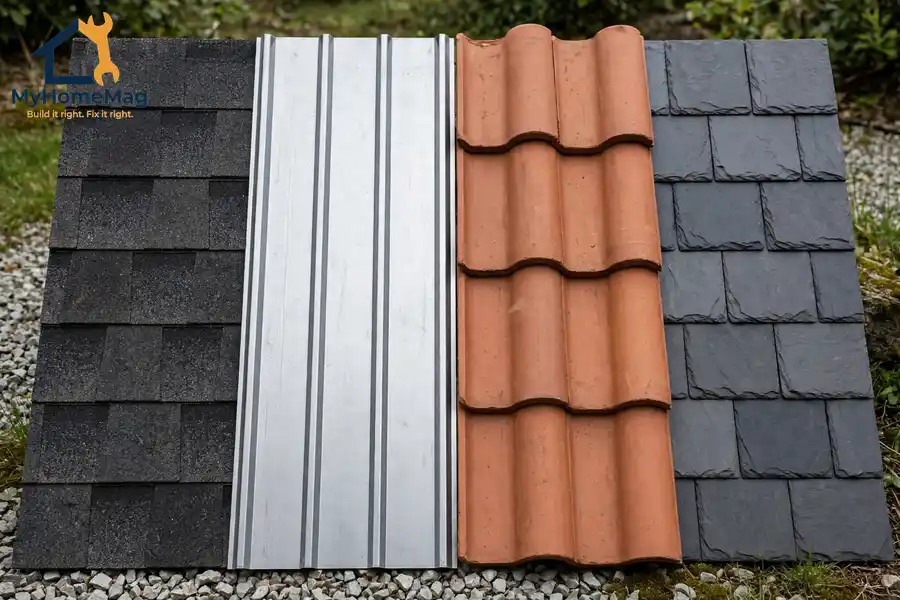
Asphalt is the most popular US roofing material for good reason. It is affordable, widely available, and suitable for most roof shapes. Three-tab shingles are the cheapest option, but they are thinner and usually last 15 to 20 years. Architectural shingles cost more, look better, and often last 25 to 30 years with good maintenance.
For example, a homeowner who plans to stay in the house for decades may find architectural shingles better value, even though the upfront price is higher. However, a homeowner planning to sell soon may reasonably choose a solid mid-range shingle instead.
Metal roofing
Metal roofs cost more upfront, but they can last 40 to 70 years, resist fire and wind well, and reflect heat. Standing-seam metal, with hidden fasteners, is the premium option. Screw-down panels are cheaper, but exposed fasteners need periodic checking and resealing.
Metal is lighter than tile or slate, so it rarely needs structural reinforcement. However, it needs an installer experienced with metal detailing, especially around valleys and penetrations.
Tile and slate
Tile and slate give a distinctive, long-lasting roof, often 50 years or more. They are also heavy and expensive to install. Before choosing tile or slate, ask a structural professional whether your roof framing can carry the extra weight. In addition, repairs need matching tiles, so keep a few spares after installation.
Repair or Replace? How to Decide
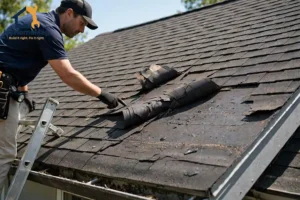
Not every worn roof needs a full replacement. A roof with localised damage, a small leak, or a few missing shingles may only need repair. A roof that is near the end of its expected life, has widespread leaks, sagging, or extensive granule loss is more likely to need replacement.
Use these questions as a guide:
- How old is the roof, compared with its expected lifespan?
- Are leaks in one place, or in several places?
- Is the decking soft, sagging, or rotted in places?
- Are shingles curling, cracking, or losing granules across large areas?
- Has a roofer or inspector found hidden moisture or mold in the attic?
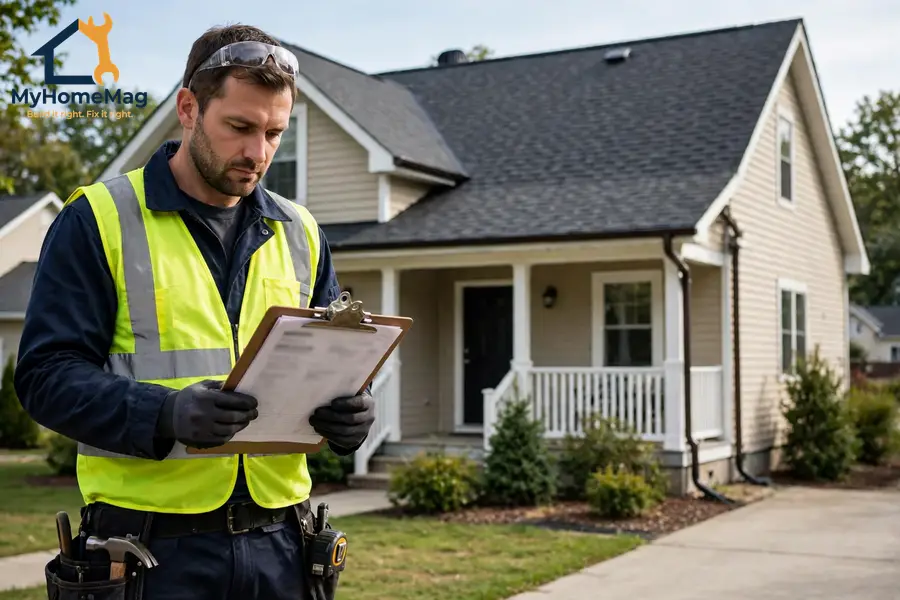
If you are unsure, a professional roof inspection is worth the cost. It can save you from replacing a roof that only needed repair, or from patching a roof that will keep leaking.
How to Get Quotes You Can Compare
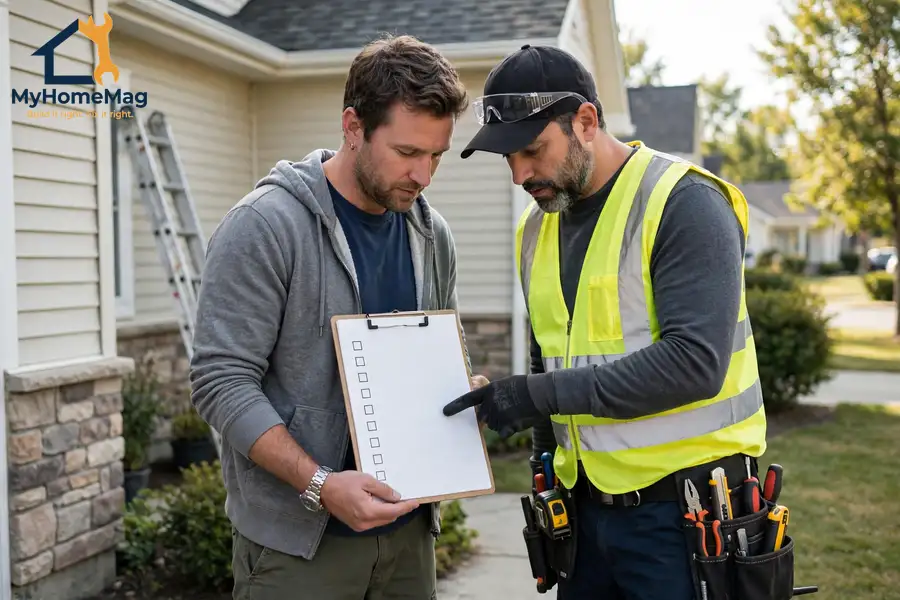
Getting three quotes is standard advice, and it works best when the quotes are truly comparable. Ask each contractor to quote the same scope, in writing.
A good quote should state:
- Roof size in squares, and the material brand and line
- Whether tear-off is included, and how many layers
- Underlayment type, ice-and-water shield, and ventilation plan
- Flashing replacement, drip edge, and ridge cap details
- Decking replacement price per sheet, if rot is found
- Cleanup, disposal, and gutter protection
- Warranty terms for both material and workmanship
- Start date, expected duration, and payment schedule
Moreover, be cautious about large upfront deposits. A modest deposit is normal, but a contractor asking for most of the money before work starts is a red flag. In short, a clear written scope protects both you and the contractor.
Questions to Ask a Roofer
Before you sign, ask these questions in plain language. For more background on warning signs and replacement timing, see Roof Replacement Cost: Materials, Warning Signs, and What to Ask a Roofer:
- Are you licensed and insured for roofing work in my area, and can you show proof?
- What material, brand, and warranty are included, and what does the workmanship warranty cover?
- Will you replace flashing, or reuse old flashing?
- How will you ventilate the roof, and will you check the attic?
- What happens if you find rotted decking, and what does each sheet cost?
- Who will be on site each day, and who do I contact with questions?
- How will you protect landscaping, gutters, and driveways during tear-off?
A good contractor will answer clearly and in writing. Vague answers, pressure to sign today, or a quote that is far below others without explanation should make you pause.
Permits, Safety, and Insurance Notes
Most US towns and cities require a permit for a full roof replacement. Your contractor should usually handle the permit, but confirm this in writing. Do not let work start without the required permit, because it can cause problems with insurance or a future sale.
Safety matters too. Roof work is dangerous, especially on steep, wet, or icy roofs. Do not climb onto the roof yourself to inspect it closely unless you are trained and equipped. A ground-level check with binoculars, plus an attic check for leaks and daylight, is safer for most homeowners.
After a storm, check with your insurer before authorising major work. Some damage may be covered, but policies vary, and documentation matters. Take dated photos of damage, keep quotes, and keep all receipts.
Ways to Manage the Cost Without Cutting Corners
A new roof is expensive, but there are sensible ways to manage it:
- Time the work outside peak storm season if you can, when contractors may have more availability.
- Choose a mid-range material with a good warranty, rather than the cheapest or the most premium option by default.
- Keep the roof shape simple if you are also planning an extension or remodel.
- Maintain gutters, ventilation, and attic insulation, so the new roof lasts longer.
- Ask about manufacturer rebates, energy-efficient materials, or financing, and read the terms carefully.
However, do not save money by skipping underlayment, flashing, or ventilation. Those details are what keep a new roof watertight for decades.
A Practical Budget Checklist
Before you accept a quote, run through this checklist:
- ☐ I know my roof size, pitch, and complexity in broad terms.
- ☐ I have at least three written quotes for the same scope.
- ☐ Each quote lists material, tear-off, flashing, ventilation, and cleanup.
- ☐ Decking replacement pricing is stated, not left open-ended.
- ☐ Material and workmanship warranties are in writing.
- ☐ Permit responsibility is confirmed.
- ☐ Payment schedule is staged, not mostly upfront.
- ☐ I have a contingency of 10–15% for hidden decking or flashing work.
That contingency is important. Even a careful inspection cannot see every deck board until the old roof is removed.
FAQs
1. How much does roof replacement cost for a typical house?
For a typical US single-family home, an asphalt shingle replacement often falls in the $10,000–$22,000 planning range, depending on size, pitch, and material. Metal, tile, and slate cost considerably more. Get local written quotes for an accurate figure, because size and labor rates vary widely.
2. Why do roof replacement quotes vary so much?
Quotes vary because roof size, pitch, complexity, material, tear-off, flashing, ventilation, and local labor all differ. A low quote may also exclude items such as disposal, new flashing, or ventilation. Compare quotes line by line, for the same scope, rather than comparing only the bottom-line total.
3. Is it cheaper to put a new roof over the old one?
Overlaying can save tear-off and disposal costs in the short term, but it is not always allowed, and it hides decking problems underneath. Many manufacturers and local codes limit overlays, and an overlay can shorten the new roof’s life. Ask your contractor and local building department whether an overlay is suitable for your roof.
4. How long does a roof replacement usually take?
Most asphalt shingle replacements on a typical home take one to three days, once materials are on site. Larger, steeper, or more complex roofs, and tile, slate, or metal roofs, can take a week or more. Weather, decking repairs, and inspections can extend the timeline.
5. Does homeowners insurance cover roof replacement?
It depends on the cause and your policy. Sudden storm damage is often covered, subject to your deductible and policy terms, while age-related wear usually is not. Document damage with photos, keep quotes and receipts, and check with your insurer before authorising major work.